








What Is a Socapex Breakout?
Problems arise when a stage, truss, or backstage route gets crowded with six separate power cables. A good solution, and common, is a socapex breakout — which transports several circuits through one bulkier multicore cable to separate them again nearer the light.
It also covers how the assembly works, where it’s used, and what production teams should inspect before purchasing or connecting one.
A Socapex breakout is an adapter used at the equipment end of a multicircuit power run. A Socapex 19 pin plug on one side The opposite end is split into six tails, usually with regional or equipment-specific connectors.
The 19-pin SOCA format was originally created for stage lighting power from dimmer systems. In the case of mutual entertainment functions, one multicable is used to transport 6 distinct circuits, as opposed to six complete-length cords. Adds no power nor changes circuit capacity. It merely divides the circuits already being circulated by the Socapex cable. Leading each tail is a requirement to match its corresponding circuit, connector type, voltage and load.
How the 19-Pin Layout Works
A normal lighting circuit has three conductors for six circuits: line, neutral, and ground. That includes 18 business contacts. The center contact typically is for alignment, not a seventh power. Between A and B → yes → Cable remains intact and then the cable tp is not set 5.1 Cables can and do affect safety, thus technicians should never presume that an unknown cable adheres to the expected pattern between a pair of ports. Refer to the maker’s pinout and test the assembly before using it.
Socapex Breakout vs. Break-In
The names themselves describe the direction in which the connection takes place.
A Socapex bus, or even socapex fan-out itself is a 6-circuit multicable connection (or other count) with six equipment feeds. Many use a single male 19-pin plug that connects to six female Edison, stage pin, CEE, powerCON or other connectors. Exact tail connector depending on region and configuration. r fan-in, goes the other way. This consolidates six separate source feeds into a single multicable connection. Clear specifications should be provided on product pages for the 19-pin gender and tail gender, connector standard, conductor size and direction.
SOCAPEX BREAKOUTS One of the main pieces of a socapex cable.
The Socapex Connector
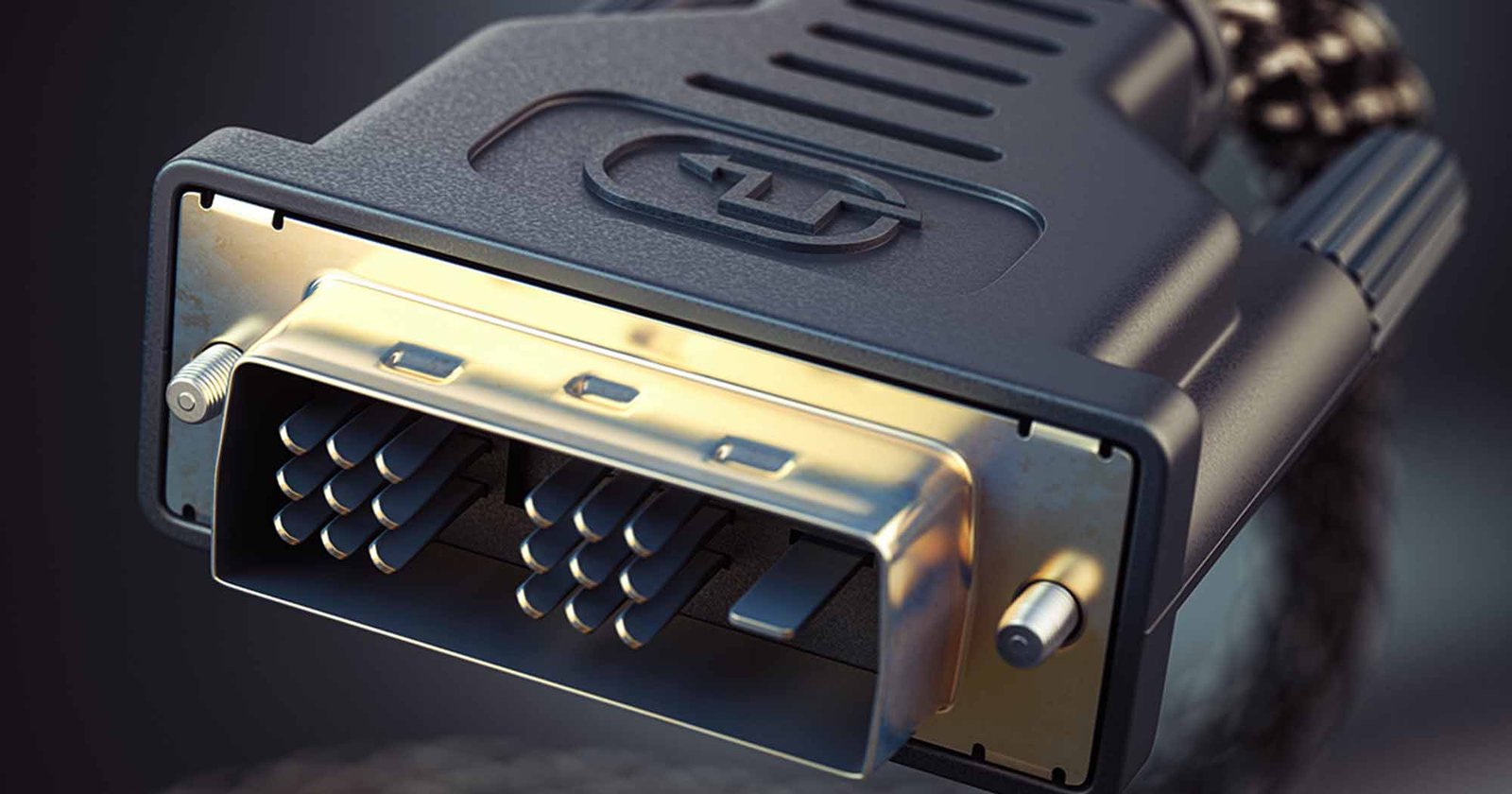
The Socapex connector is the round multipin end connecting breakout to an extension or disto panel. An internal locking ring can hold the connection strongly seated.
Compatibility should never be determined based on look rather by series, keying, contact arrangement and electrical rating. Though some existing connector families are mating with the legacy 419AR format, water and dust ratings only apply under the conditions stated by the maker for proper assembly and connection. Eed connector-family information can also refer to the Amphenol Socapex SOCA and SL 61 documentation, where Amphenol identifies the original 19-pin SOCA connector as a stage-lighting power connection expected to work with dimmer boxes. ails and Labels
The fan shape of the assembly is owed to the six tails Short tails at the end of cables mean fewer pile ups, and longer tails can extend your reach across a lighting bar or fixture group.
The labels on the circuit matter when loading in and during troubleshooting. Impaired or perdu numbers can cause wrong patches chiefly when dimmed and constantpower circuits coexist in one country.
Cable and Strain Relief
More than fixed wiring, a soca cable assembly is dynamically moved, coiled, loaded and pulled. Service life has many variables: bend behavior, conductor size, jacket condition, strain relief.
A worn jacket, a loose gland, an exposed conductor or any soft spot near the connector is cause to take the assembly out of service until it has been inspected.
Where Socapex Breakouts Are Used
Common motor and Socapex system uses include concert, theatre, film/TV production, touring show, festival, studio and temporary event power systems. This is the connector format developed for theatrical (stage-lighting) power distribution applications. The out begin from a dimmer rack or a secured release unit. The multicable leads to the stage or truss, while the breakout breaks out the circuits at a distance of a few meters from the fixtures. This keeps the long runs clear and reduces instances of separate cable routes.
It may also power LED fixtures and moving lights that need continuous power. You still need to verify that the system has proper over voltage, load planning, connector selection and code compliance.
Selecting The Appropriate Assembly
Start with your entire power system, not the photo of your product. Verify the source node and destination nodes, voltage level, current rating, wire gauge from a cable and length from cable and environmental conditions.
Check these details before ordering:
- 19-pin connector gender and compatibility
- Tail connector types and genders
- Circuit numbering and pinout
- Cable and conductor specification
- Tail length and overall length
- Indoor, outdoor, or wet-location rating
- Strain relief and serviceability
Test records or quality-control process
Scenes of extension cables, connectors, break ins, breakouts and bulk cable from the Socapex cable and breakout range However, they still require buyers to match all specifications against the entire system and job-site guidelines. g — Specifically, that two dissimilar-looking assemblies have identical current, voltage, environmental or compliance areas. Ratings are manufacturer-specific, cable size–specific, connector family–specific, and finished-assembly specific.
Inspection and Safe Use
Temporary stage electrics needs to be done by the right people. Per part of a run, see the shell; coupling ring; contacts; recyclability jacket, breakout body, tail connectors and labels.
With equipment constructed for the assembly, continuity testing, grounding, polarity and open conductors and crossed connections; Six-circuit testers do exist, but must be used according to direction from the tester maker and local site safety protocols. You do drop or disconnect under load only if every other component is rated to do so. Do not put the connections on standing water, or path of vehicles, sharp edges/pinch points/occult channels with higher strain and conductor isolation.
An external source to consider for U.S. projects is OSHA’s electrical safety standards regarding temporary wiring. It covers items such as temporary wiring, multiconductor cable assemblies, grounding and protection from physical damage. Additional requirements may include local codes, venue rules and equipment instructions. ing Mistakes
One of the most common errors is to request a breakout while the system has a break-in. Another is the tails with incorrect connector gender or regional standard.
You can’t compare it with Price and length alone. The assembly needs to match the circuit rating, connector family, wiring pattern, environment, and handling characteristics. Mysterious pinouts, vague naming and unsupported rating claims all warrant thorough examination in stringently scrutinizing the design.
Among other things, buyers should find out whether a connector is rated for the environment by itself or in a complete mated assembly. Even a connector which has an IP rating listed, does not provide the same level of protection in open mode, poorly assembled or damaged, nor when connected to an incompatible part.
Conclusion
This socapex breakout breaks the 6 circuit stage power run into six device outlets. It benefits from clean routing and clear circuit separation together with rapid patching at long distances from the load.
You get good results only if you have connector-matched correctly, connected wires 100%, cable construction in the right way, readable labels/figures; periodic testing and qualified handling. Order in complete system only after checking and inspect the assembly before each event.







Related Articles

Crypto Recovery Expert in Asia: How to Choose the Right One
Crypto Recovery Expert in Asia: What They Really Do and How to...

Facebook Accounts for Sale: A Buyer’s Guide to the Risks
Facebook Accounts for Sale: The Practical Truth Before You Buy Introduction If...

DoHora: Free Thai Horoscope, Tarot & Astrology Guide
What Is DoHora? An Honest Look at the Free Horoscope Site Built...


Watch Movies Currently Showing in Theaters: A Guide
Watch Movies Currently Showing in Theaters: A Smart Moviegoer’s Guide Picking a...
Leave a comment